Full Insight Regarding 0120 918 572 With Explanation
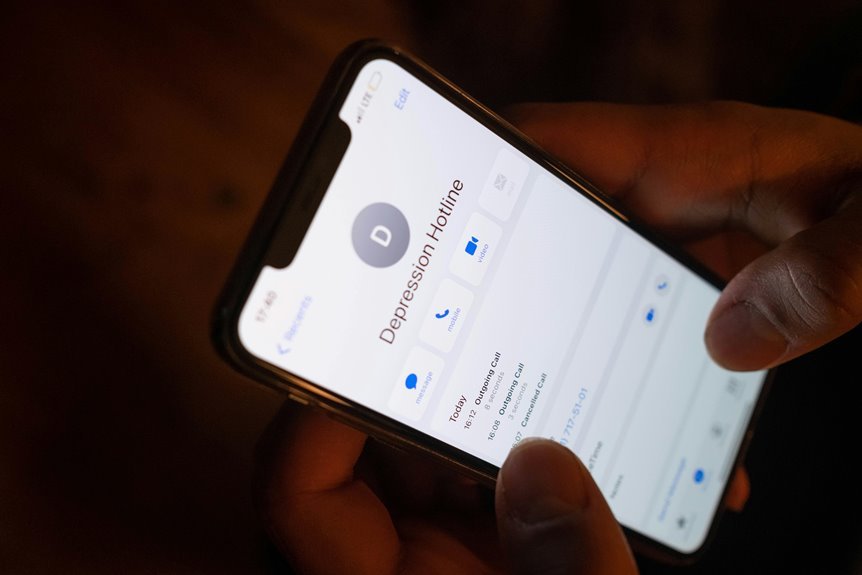
0120 918 572 is often presented as a toll-free or service line for customer support and business inquiries in certain regions. Its appearance signals a reachability option, yet the context matters: legitimate calls come from known company channels with clear intent. Ambiguity, misrepresentation, or phishing risks may accompany such numbers. The responsible approach is to verify through official contact details before sharing information. Consider what gaps in verification you currently face and what steps will close them as you proceed.
What Is 0120 918 572 and Why It Appears
The number 0120 918 572 is a toll-free or service line used in certain regions, typically designated for customer support or business inquiries. It appears as a contact option in corporate and service contexts, guiding reachability.
0120 918 572 discussion ideas frame how callers organize questions, while Scam awareness emphasizes recognizing misrepresentation, phishing risks, and legitimate verification steps. Clarity informs prudent engagement.
How to Tell If This Number Is Legit or Scam
Determining the legitimacy of the number 0120 918 572 requires a structured approach: verify the caller’s identity, confirm the source of the call, and assess the communication for typical scam cues. Evaluation centers on documented patterns, corroborating information, and avoiding unrelated topic misdirection or random chatter. If uncertain, disengage and pursue official channels to protect personal freedom and security.
Real-World Scenarios Involving 0120 918 572
Real-world encounters with 0120 918 572 illustrate a spectrum of caller behaviors, from legitimate business outreach to potential nuisance calls. Instances emphasize block spam practices, reinforcing caller ID privacy concerns and the need for limited data sharing.
Analysts note that careful screening reduces exposure, while compliant organizations balance outreach effectiveness with user control, transparency, and concise, accurate information.
Step-by-Step Guide to Verify and Block Unwanted Calls
Step-by-step verification and blocking of unwanted calls can be approached methodically to protect privacy and reduce interruptions.
The guide outlines verification methods like caller identity assessment, call screening, and heuristic flags, emphasizing nonintrusive checks.
Systematic actions include enabling spam filters, logging suspicious numbers, and applying blocking rules.
Clear documentation aids freedom by preventing repeated disturbances from unknown, persistent callers.
Conclusion
0120 918 572 often functions as a service or support line used by various companies, designed to route inquiries efficiently. Its legitimacy depends on context: legitimate calls typically come from recognized corporate numbers and present clear purpose, while scammers may exploit similar prefixes to create urgency. Always verify through official channels before sharing sensitive information or taking action. If in doubt, disconnect and contact the company via its verified official contact details to confirm the caller’s identity.
Conclusion: A familiar doorbell, yet behind it may lurk shadows; vigilance is the key, not credulity.